Numb before anything starts.
You are numb before we begin, and it is checked twice.


A root canal removes the infected nerve inside a tooth, cleans the space, and seals it, so the pain stops and the tooth stays in your mouth. You are fully numb throughout. Most take 60–90 minutes in the chair, one or two visits, and finish with a crown.
You are numb before we begin, and it is checked twice.
Not the way the reputation suggests. The pain people remember is the infection, not the treatment. A root canal is what takes that pain away. You are numb before anything starts, and we check it twice before beginning. If you feel something at any point, you say so and we stop.
Plan on 60–90 minutes in the chair. Most are finished in one or two visits. Which one you need depends on the tooth: front teeth have a single canal, back molars have several, and more canals means more time to clean and seal properly.
Numbness lasts two to four hours after most visits. Give it that long before anything hot, and chew on the other side until the feeling is fully back.
A root canal takes the nerve and blood supply out from inside the tooth. What is left is your own tooth, but the outer shell gets more brittle over time and back teeth take a lot of force every day. A crown caps it and absorbs that pressure. Crowns here are custom ceramic, color matched to the teeth beside them, about an hour in the chair across two visits roughly two weeks apart. Full details on dental crowns.
A treated tooth commonly lasts 10+ years, and with a crown on top it does normal work the whole time. After that it is a tooth like any other: brush it, floss it, and keep up with cleanings and exams. Our preventive care page covers what those visits include.
Say so, out loud, at the front desk. Nerves about this particular procedure are common and you do not have to talk yourself out of them first. If you would rather not commit to anything yet, come in for the free thirty-minute consultation with Dr. Snyder. She will look, explain what she sees, and answer your questions. No treatment happens that day, so there is nothing to brace for.
The usual signs are a deep throbbing ache, pain that wakes you at night, sensitivity to hot or cold that lingers after the source is gone, tenderness when you bite down, or a tooth that has darkened. Swelling in the gum near a tooth is another one. An exam and imaging tell us for certain. Sometimes the answer turns out to be a filling instead, which is a much shorter visit.
Keeping your own tooth is almost always the better outcome, and a root canal is how that is done. Nothing replaces a natural root perfectly. When a tooth is genuinely too far gone, the alternative is a gentle extraction, 30–60 minutes, and then a conversation about replacing it. Dr. Snyder will lay out both paths plainly rather than steering you. Our restorative dentistry page walks through the options either way.
It depends on which tooth it is, how many canals it has, and whether a crown follows, so there is no single number worth printing here. Call the Palm Harbor office at (727) 502-6667 and ask. Tell us which tooth is bothering you and we can talk through what is likely involved. We verify your benefits before treatment begins, so you know your share ahead of time. Cherry and CareCredit monthly plans are available through finance plans, and if you do not carry insurance, ask about the Smile Club membership.
We accept most PPO plans and select Medicare plans. We are not contracted with any HMO or Medicaid programs. Whatever you carry, we verify your benefits before treatment so there are no surprises afterwards. The full picture is on accepted insurances.
Yes. Root canal therapy is done here in the Palm Harbor office, by the same dentist who examined you. Dr. Snyder developed a particular interest in root canal therapy during her training, and earned her DMD at Lake Erie College of Osteopathic Medicine after a Bachelor’s in Biomedical Sciences at the University of North Florida. More about her on the about page.
We see patients age seven and up. If you have a younger child with a painful tooth, call us anyway and we will point you to a good local pediatric dentist. New patient paperwork lives on patient forms if you would rather fill it out before you arrive.
Call the office at (727) 502-6667. We are open Monday to Friday, 8AM to 4PM, with Saturdays by appointment. Tell whoever answers what the pain feels like and when it started, because that changes how soon you should be seen. If we are closed when you read this, send a note through the contact page so it is waiting for us first thing.
Call and describe what is going on. We will explain what treatment would involve before you commit to anything.
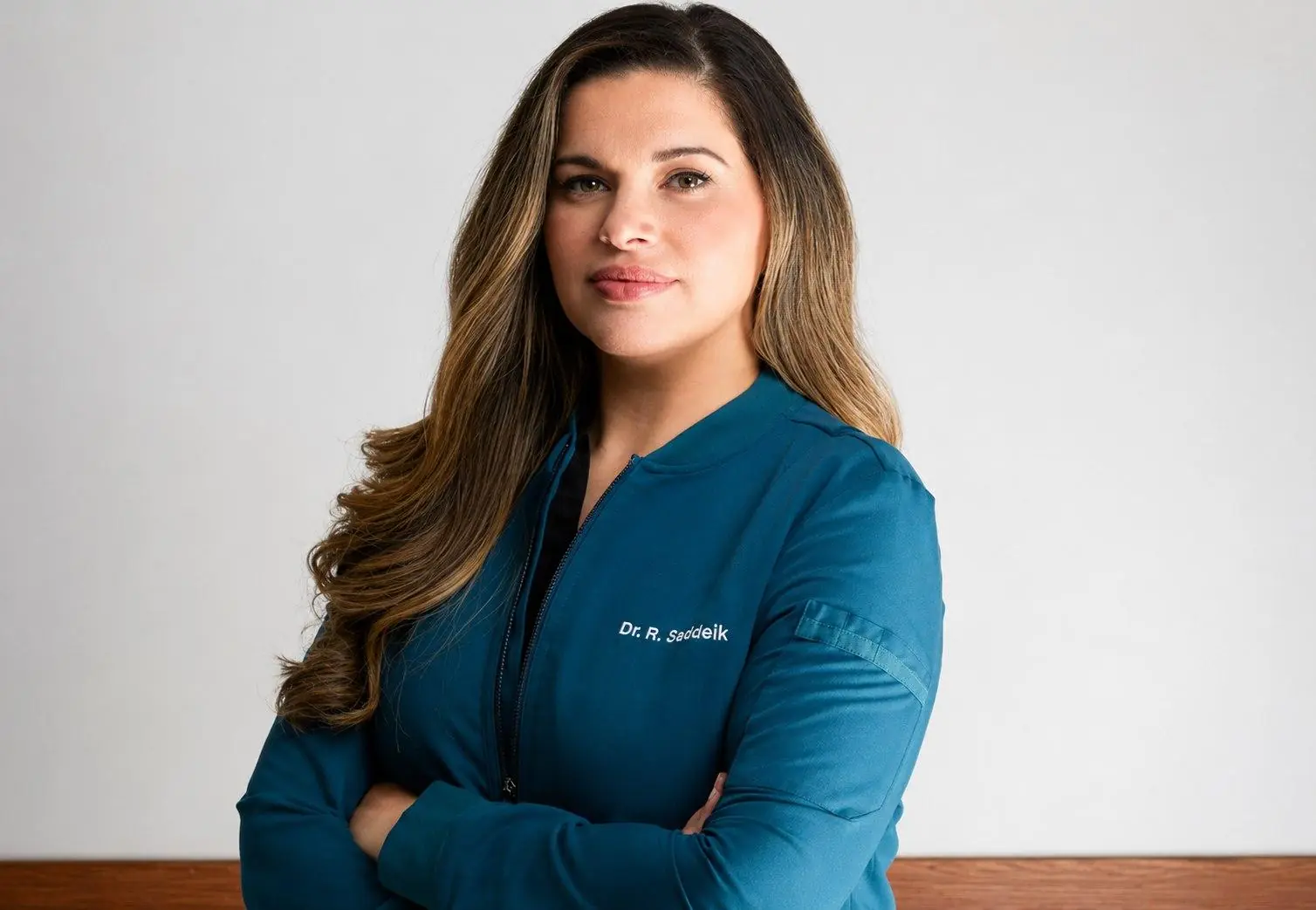
Reviewed by Dr. Rita Snyder, DMD, Harborview Dental Care. Last reviewed