
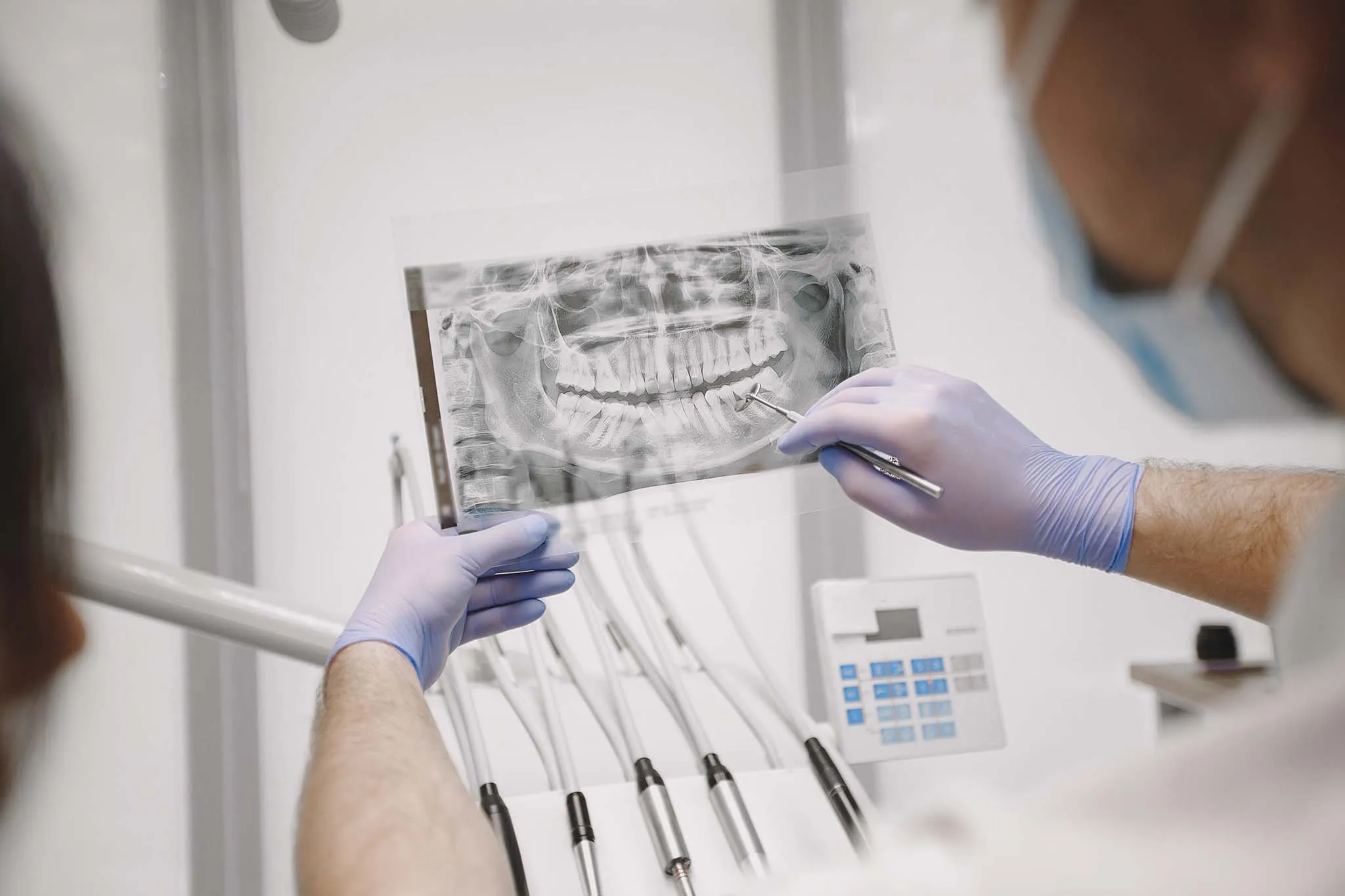
How Dental Implants Prevent Bone Loss in the Jaw After Tooth Loss
For many, losing a tooth isn’t just about aesthetics. It’s about health and confidence, too. Beyond changes to your smile, did you know tooth loss can trigger bone loss in the jaw? It’s a silent concern that often goes unnoticed until it starts to affect facial structure, overall oral health, or the ability to eat and speak comfortably.
Fortunately dental implants offer a solution to this problem. Not only do implants restore your smile, but they also play a vital role in preventing bone loss, helping you maintain a healthier future post-tooth loss.
Why Does Bone Loss Happen After Losing a Tooth?
Your jawbone stays strong and functional thanks to stimulation from your natural teeth. Every time you chew, your teeth transfer pressure to the root, which in turn encourages the bone to maintain its density.
When a tooth is lost, this stimulation stops in that area of the jaw, signaling to the body that this bone tissue is no longer needed. Over time, the body reabsorbs the unused bone, leading to thinning and shrinkage. This is a process called “bone resorption.”
This process doesn’t just affect your jawbone, though. Over months and years, bone loss can result in noticeable changes to your face's structure, such as a "sunken" appearance, making you look older and altering how dentures or bridges fit.
How Do Dental Implants Help Prevent Bone Loss?
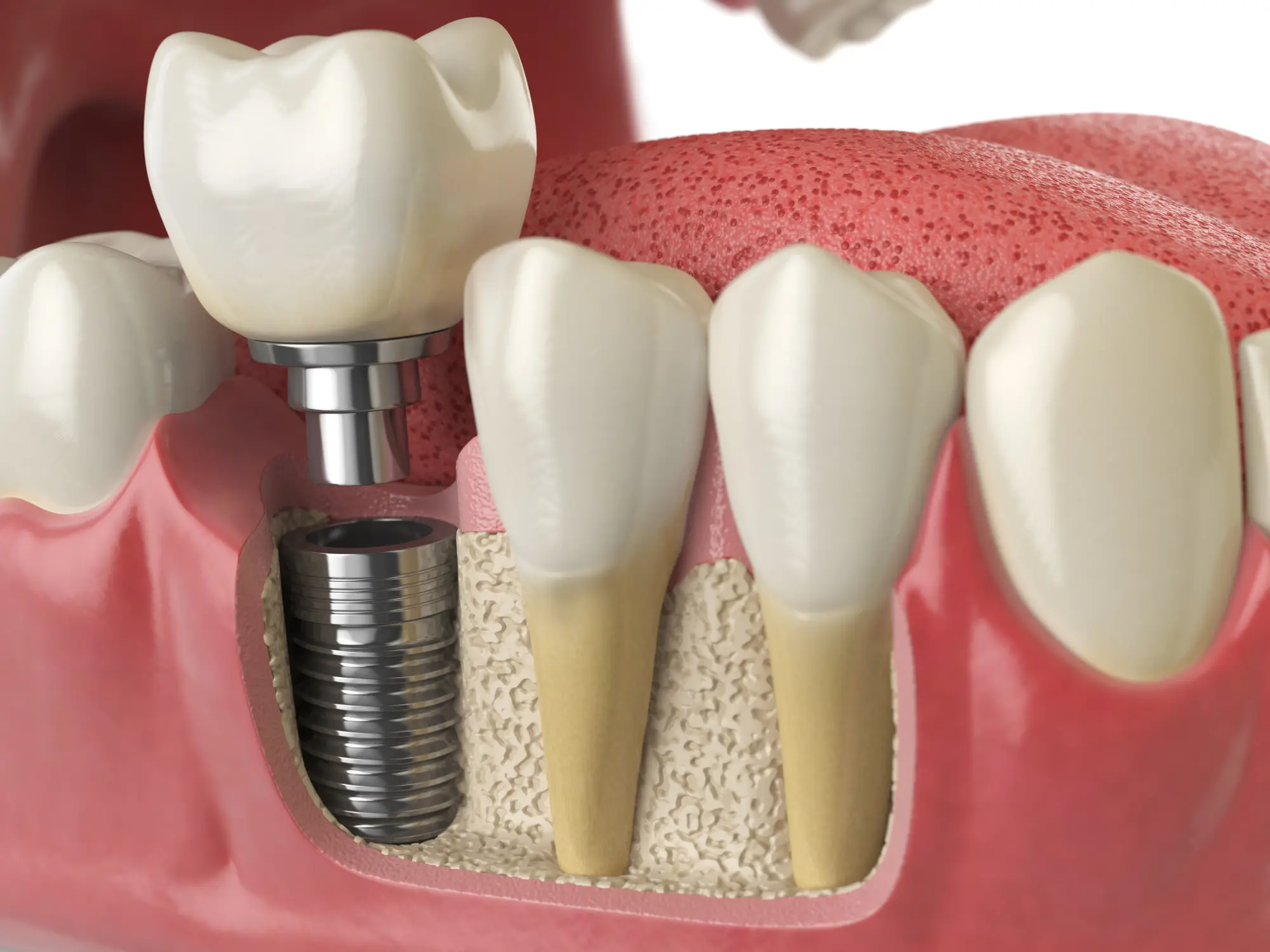
Dental implants are a modern solution designed to mimic the natural structure of teeth, from root to crown. By anchoring a titanium post directly into the jawbone, implants provide the same critical stimulation that a natural tooth root would. Here’s how they help safeguard your jawbone:
- Osseointegration: Once placed, the titanium post fuses with the bone in a process called osseointegration. This strengthens the surrounding bone, improving density and durability.
- Continuous stimulation: With the implant acting as a tooth root, chewing and speaking transfer pressure to the jawbone, signaling it to stay active and preventing resorption.
- Support for neighboring teeth: By filling the gap left by a missing tooth, implants prevent adjacent teeth from shifting and destabilizing the area, further reducing the risk of bone loss.
The Long-Term Benefits of Dental Implants
Beyond combating bone loss, dental implants offer a host of advantages that make them a long-term solution for restoring both form and function to your smile:
- Natural look and feel: Implants are custom-designed to blend seamlessly with surrounding teeth, providing a result that looks and feels natural.
- Improved confidence: No need to worry about shifting dentures or gaps in your smile; implants offer unmatched stability.
- Durability: With proper care, dental implants can last decades, making them a worthwhile investment in your oral health.
- Enhanced function: Eat, speak, and laugh with ease, just like you would with natural teeth.
How Is a Dental Implant Placed?
At HarborView Dental, we take a patient-centered approach to your implant process at our Palm Harbor office, ensuring a comfortable experience every step of the way. Here’s how it typically works:
- Consultation & planning: Dr. Rita Snyder will evaluate your oral health, using advanced imaging to identify your unique needs and create a custom treatment plan.
- Surgical placement: The titanium post is gently placed into the jawbone under local anesthesia, prioritizing your comfort throughout.
- Healing period: Over the next several months, the implant integrates fully with the bone, creating a sturdy foundation for the replacement tooth.
- Final restoration: A lifelike crown is attached to the implant, completing your restored smile.
Your Comfort Matters: Why Choose HarborView Dental?
Choosing dental implants is a big decision, which is why we’re here to guide you with care, honesty, and zero pressure. HarborView Dental is proud to be family-owned and operated, offering a personal, community-focused alternative to corporate dentistry.
With Dr. Snyder’s empathetic approach, you’ll feel like you’re in the hands of a friend who truly listens to your concerns and respects your unique needs. From cozy amenities to transparent, no-judgment recommendations, everything we do is designed to make you feel at home.
Plus, we’re an insurance-friendly office, and are also dedicated to offering accessible pricing and third-party financing options. For uninsured patients, we even offer a $99 New Patient Special and in-house membership options to keep dental care straightforward and stress-free.
FAQs About Dental Implants and Bone Loss
Am I a candidate for dental implants if I’ve already experienced bone loss?
Yes! While bone loss can complicate implant placement, many patients are still excellent candidates. Sometimes, a bone graft may be recommended to rebuild the jaw’s structure before placing the implant. Dr. Snyder will guide you through every option tailored to your needs.
Are dental implants permanent?
Dental implants are designed as a long-term solution, often lasting decades when cared for properly. Regular check-ups and good oral hygiene are all it takes to keep your implant in great shape.
Will getting an implant hurt?
At HarborView Dental, your comfort is our priority. Most patients find implant placement to be a surprisingly easy process. We use modern techniques and local anesthesia to ensure your experience is as stress-free as possible.
Reclaim Your Smile and Protect Your Future
Losing a tooth doesn’t have to mean compromising your oral health. Dental implants offer a lasting, life-changing solution not just to restore your smile but also to keep your jawbone strong and vibrant. If you’re ready to explore how this treatment can benefit you, we’d love to help.
Contact HarborView Dental at (727) 502-6667 to schedule your consultation with Dr. Snyder today. Conveniently located in Palm Harbor, we’re here to make your journey to a healthier smile as comfortable, caring, and supportive as possible.
Recent Articles
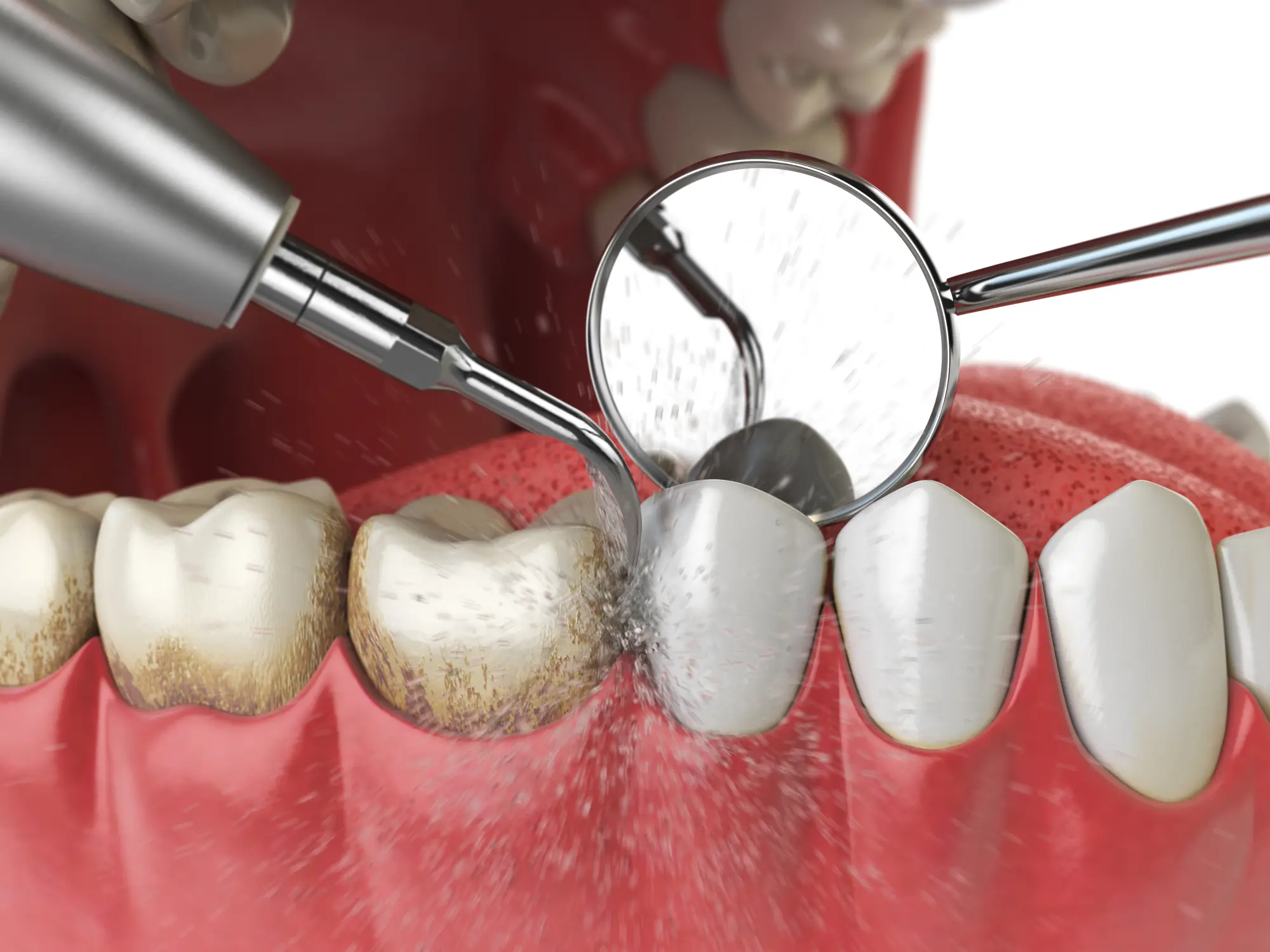
What Is a Deep Cleaning at the Dentist and How Is It Different From a Regular Cleaning?
How Dental Implants Prevent Bone Loss in the Jaw After Tooth Loss
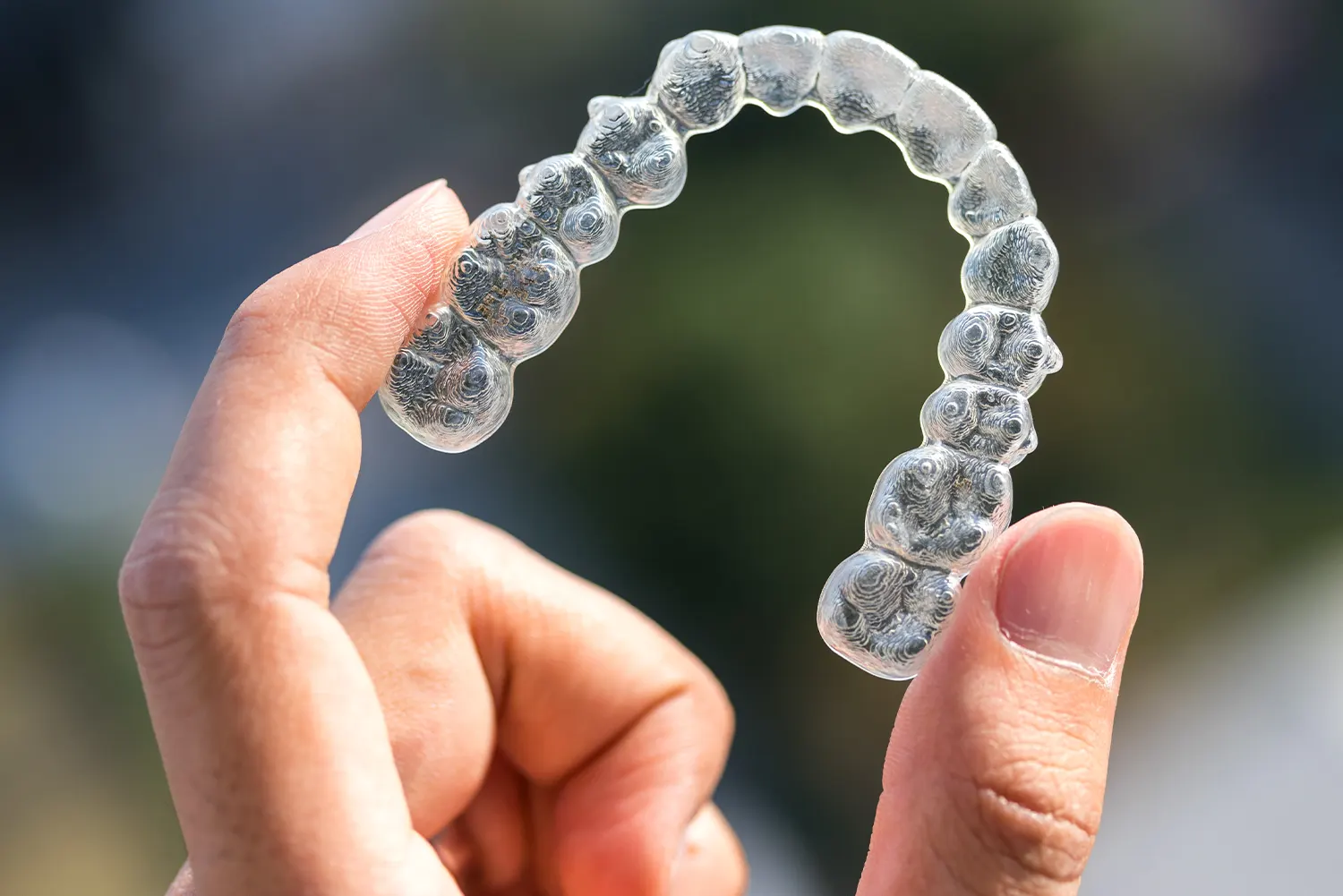
Can Clear Aligners Fix an Overbite or Spacing Issues Without the Metal?
